
The Complete Guide to Tourmaline Colors
Paraíba, Rubellite, Chrome & More — A Jeweler's Reference
If there is one gemstone family that consistently surprises jewelers and designers, it's tourmaline. No other stone offers such a broad spectrum of color — from the electric neon blues of Paraíba to the deep forest greens of chrome, the rich raspberry reds of rubellite, and dozens of shades in between. For trade professionals looking to expand their colored stone vocabulary, tourmaline is essential.
Here is a practical guide to the major tourmaline varieties, what distinguishes them, and what to know when sourcing each.
Paraíba Tourmaline: The Neon Standard
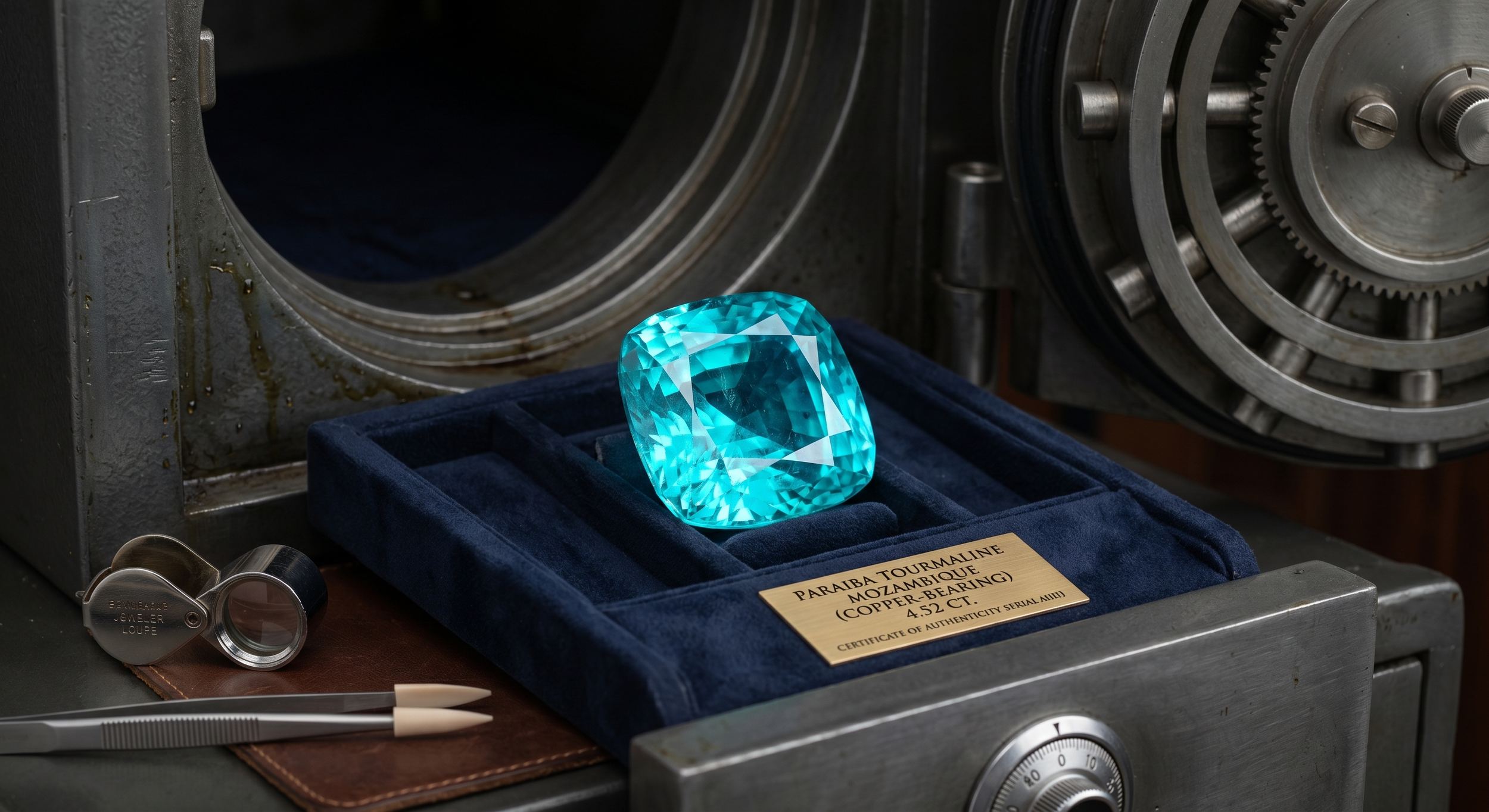
Paraíba tourmaline from Mozambique — copper-bearing material now recognized by major laboratories as Paraíba by type. Fine African Paraíba offers an accessible entry point to one of the gem world's rarest color phenomena.
Paraíba tourmaline is the most valuable and most discussed variety in the family — and for good reason. First discovered in the Brazilian state of Paraíba in the 1980s, these stones display an intense neon blue, blue-green, or green color that seems to glow from within. The effect is caused by copper and manganese trace elements, which give Paraíba its signature electric saturation unlike anything else in the gem world.
Original Brazilian Paraíba is the benchmark. Deposits were small and are largely exhausted, meaning fine Brazilian material is exceptionally rare and commands prices that rival sapphire and ruby at the top end.
Since the early 2000s, copper-bearing tourmalines with similar color have been found in Mozambique and Nigeria. These are now accepted by major laboratories as Paraíba tourmaline by type, though origin distinctions matter to collectors and sophisticated buyers. Brazilian material still commands a premium, but fine African Paraíba offers an accessible entry point to the variety at meaningful quality.
For jewelers, Paraíba is a statement stone. Its color photographs exceptionally, clients respond to it immediately, and the story behind it — scientific rarity, limited supply, dramatic discovery history — supports strong price points.
Rubellite: The Red and Pink Family
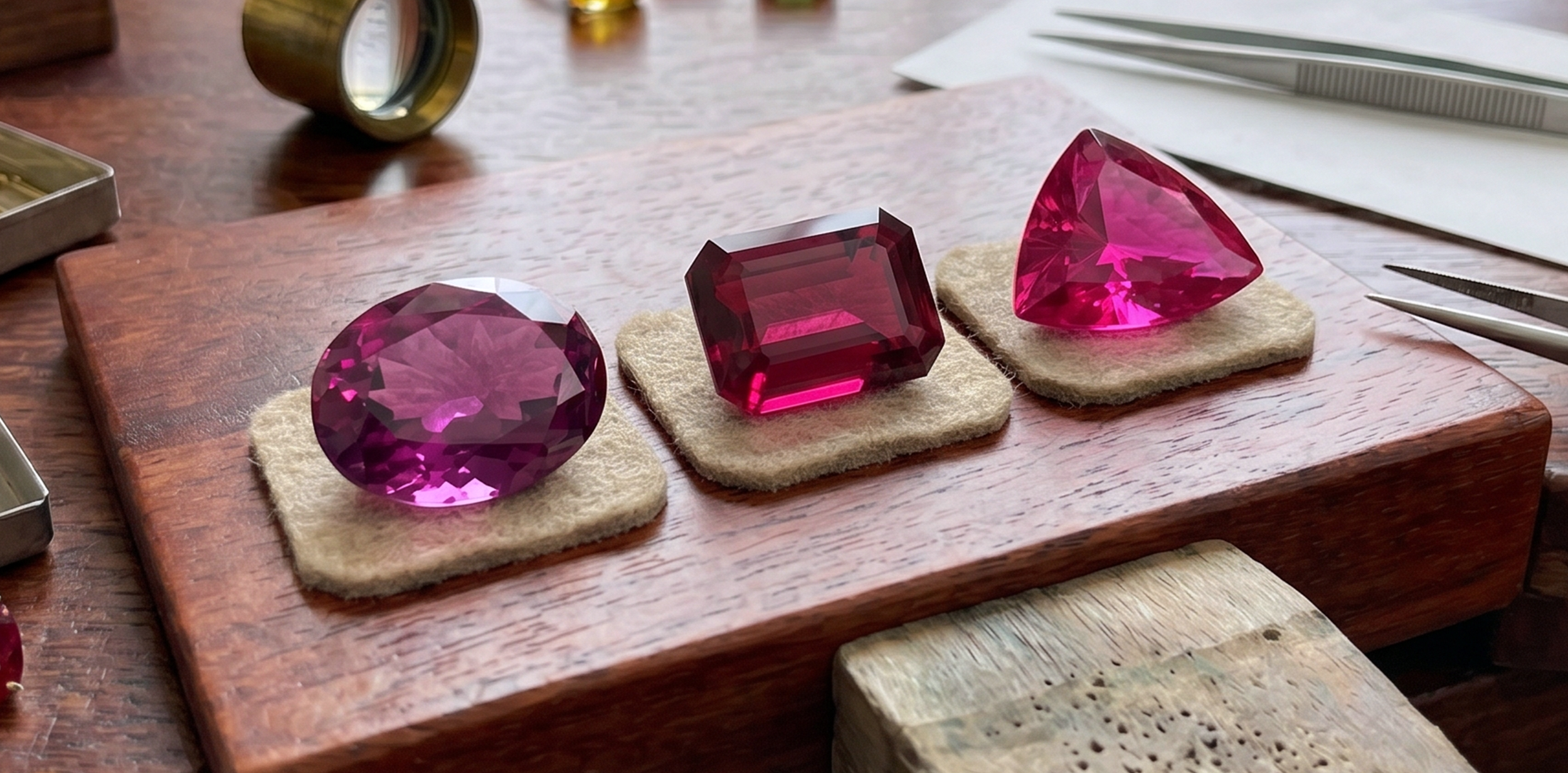
Rubellite refers to the red and hot pink range of tourmaline — specifically stones with strong, saturated color that holds its character across different lighting conditions. This last point is important: many pink and red tourmalines shift toward brown or lose saturation under incandescent light. True rubellite maintains its intensity. That consistency is the defining quality standard.
Rubellite comes primarily from Brazil, Nigeria, Mozambique, and Madagascar. Nigerian rubellite has produced some of the finest material in recent decades — deeply saturated, clean, and large. Brazilian rubellite has a long trade history and remains a reliable source.
For jewelers, rubellite is a versatile red stone that offers an alternative to ruby at accessible price points, with availability in larger sizes that ruby rarely matches. Fine rubellite over five carats with strong, clean color is a significant stone by any standard.
Shown: Rubellite in three cuts — oval, emerald, and trillion. True rubellite holds its saturated red-pink color across lighting conditions, distinguishing it from ordinary pink tourmaline. Available in larger sizes than ruby at a fraction of the price.
Chrome Tourmaline: The Collector's Green
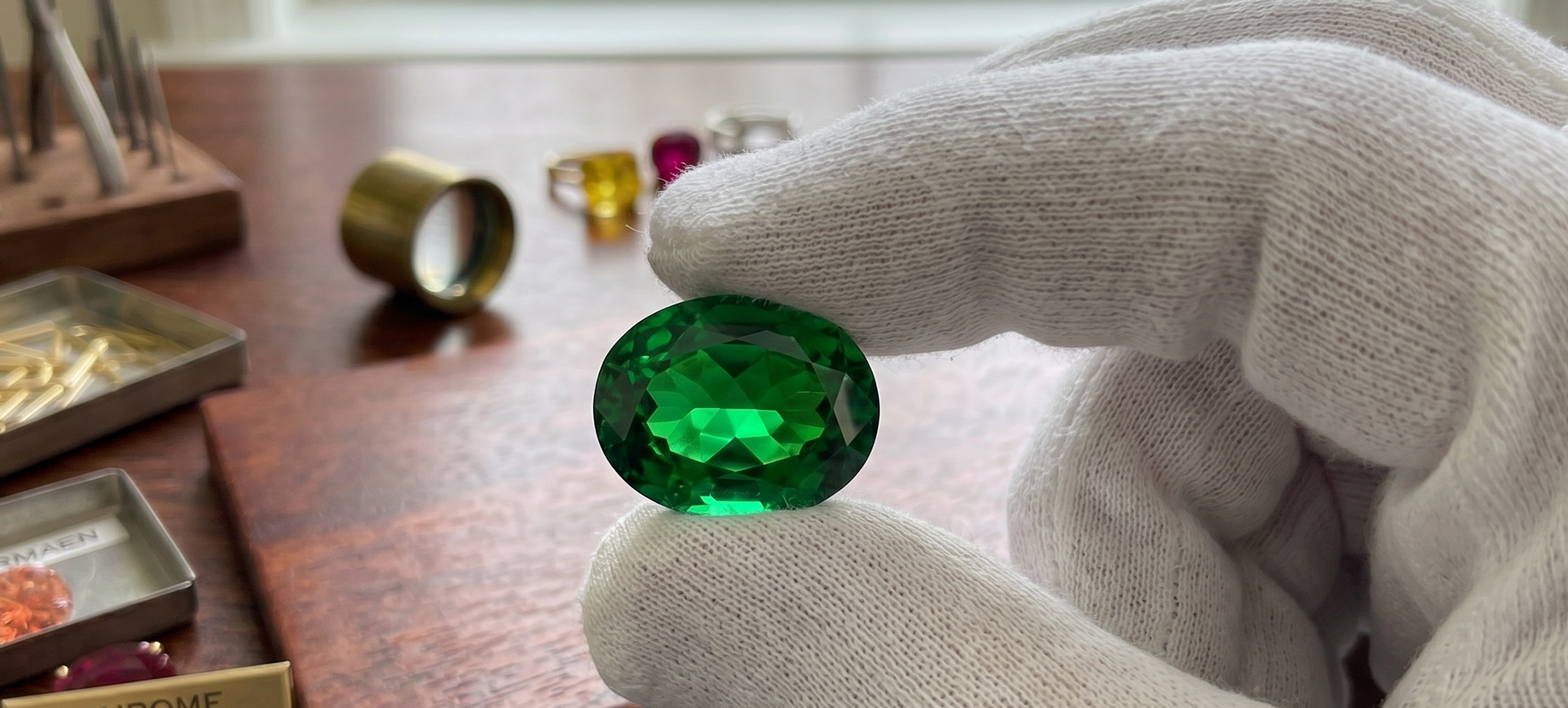
Chrome tourmaline is colored by chromium — the same element responsible for the color in fine emerald and Burmese ruby. The result is an intensely saturated, vivid green with a depth and warmth that distinguishes it from other green tourmalines. Under incandescent light, fine chrome tourmaline can display a richness that rivals tsavorite garnet.
Most chrome tourmaline comes from Tanzania and Kenya, often from the same regions that produce tsavorite. Stones are typically small — fine chrome tourmaline over two carats is genuinely uncommon, and material over three carats with strong color and good clarity is rare enough to attract collector attention.
For jewelers who work with clients interested in green stones, chrome tourmaline offers something tsavorite and emerald cannot always match: a combination of intense color, reasonable durability, and a story that educated buyers find compelling.
Indicolite: The Blue-Green Range
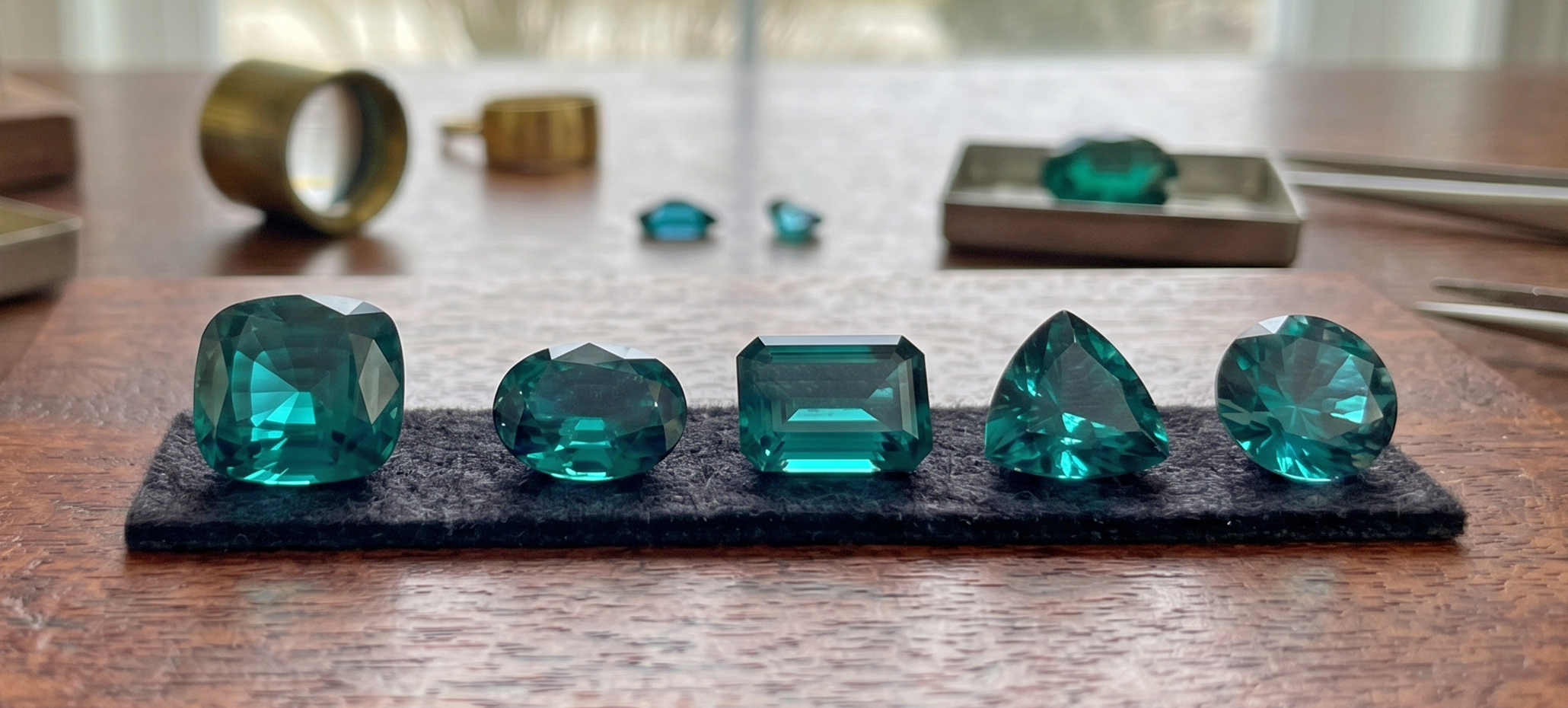
Shown: Indicolite tourmaline in five cuts — the deep teal blue-green that distinguishes fine indicolite from lighter blue stones. More accessible than Paraíba, available in larger sizes, and a versatile choice for designers working across metal types.
Indicolite covers the blue and blue-green tourmalines that don't meet the neon standard of Paraíba. Fine indicolite displays a deep, rich teal or blue-green — sometimes described as a peacock color — with strong saturation and good transparency.
Brazil is the primary source, with material also coming from Afghanistan, Nigeria, and Madagascar. Fine indicolite is significantly more accessible than Paraíba in terms of price, while still offering the distinctive blue-green range that clients increasingly seek.
For designers, indicolite is a practical choice: available in larger sizes than Paraíba, compatible with a wide range of metal colors, and visually distinctive without requiring the premium that copper-bearing material commands.
Bi-Color and Watermelon Tourmaline
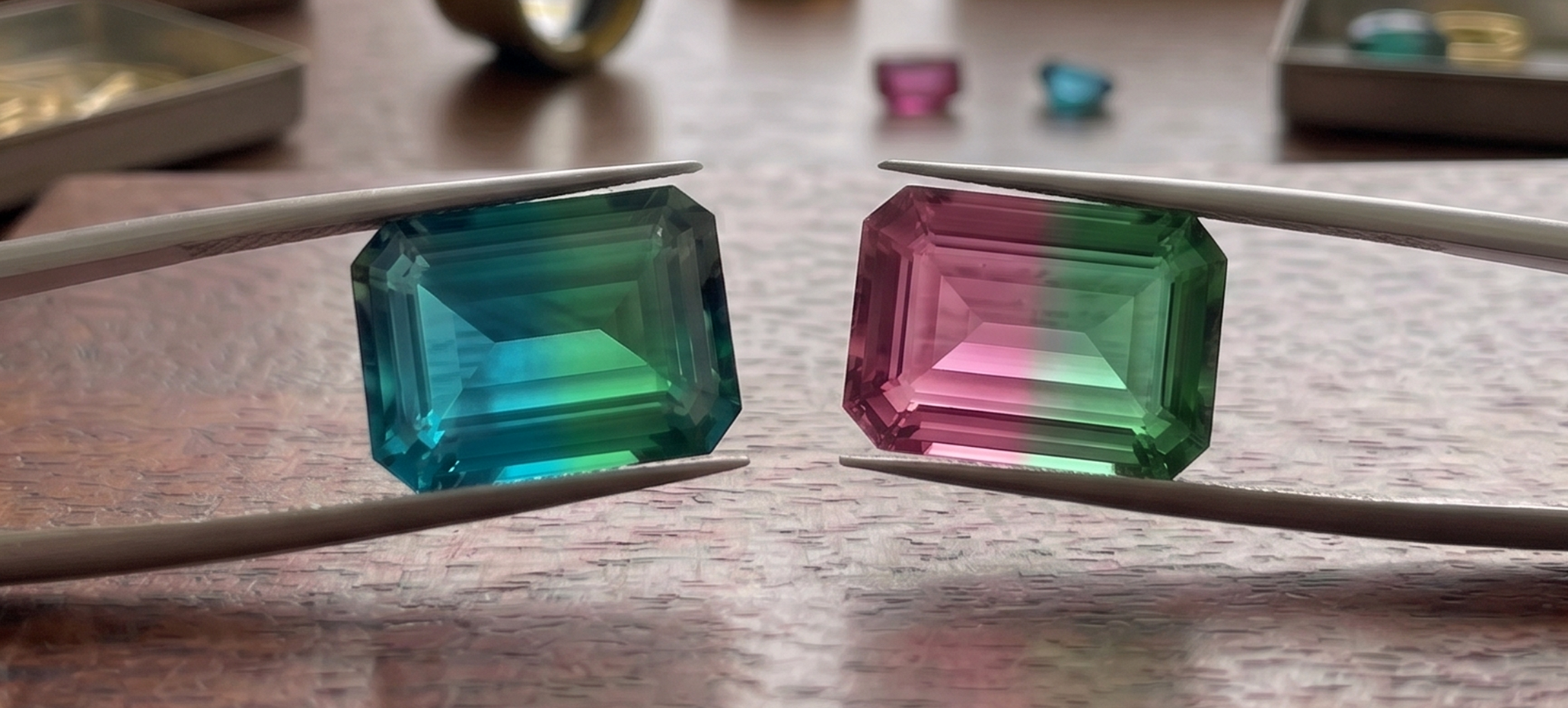
Tourmaline frequently occurs in multiple colors within a single crystal, and the trade has embraced this rather than treating it as an imperfection. Bi-color stones — often green and pink, or blue and green — are cut to display both zones. Watermelon tourmaline, with its pink interior and green exterior mimicking the fruit, has become genuinely popular with designers seeking organic, statement pieces.
Brazil produces most of the notable bi-color material. Quality assessment focuses on the clarity of the color boundary, the attractiveness of both color zones, and the overall transparency of the stone.
Shown: The teal-green bi-color on the left and the pink-green watermelon on the right are among the most sought-after cuts for designers working with statement pieces.
Yellow, Orange, and Canary Tourmaline
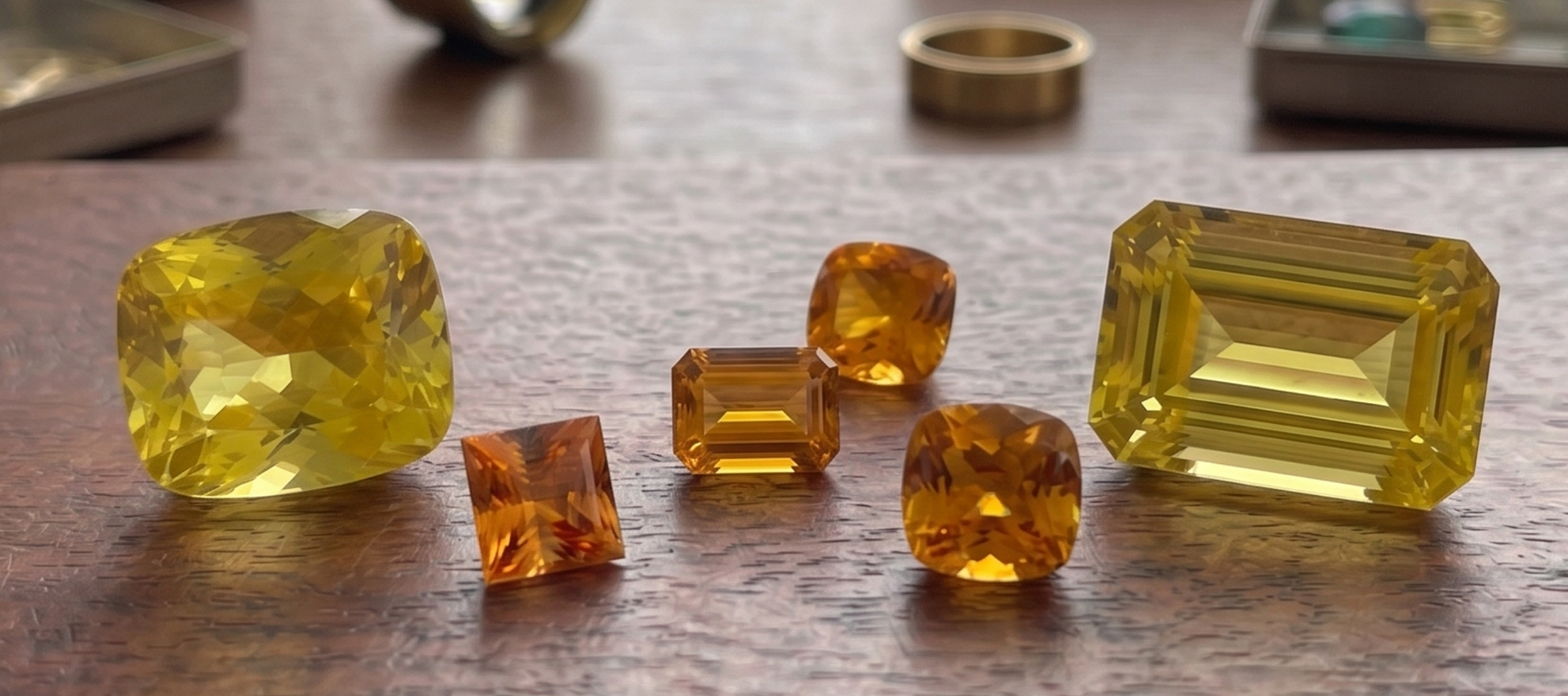
The yellow to orange range of tourmaline — sometimes called canary tourmaline when the color is intensely saturated yellow — has grown in trade visibility as demand for fancy color stones has increased. Fine canary tourmaline from Malawi displays a vivid lemon-yellow that has no close competitor in the colored stone world at its price point.
This is an area where knowledgeable sourcing creates real opportunity for jewelers. Canary tourmaline remains underpriced relative to its visual impact, and client awareness is growing.
Shown: Canary yellow and orange tourmaline in cushion, emerald, and princess cuts — the yellow-to-orange range of the tourmaline family remains one of the most underpriced opportunities in colored stones relative to visual impact. Fine canary material from Malawi delivers a vivid lemon-yellow with no close competitor at its price point.
Sourcing Considerations for the Trade
Tourmaline's diversity is its greatest asset and its greatest sourcing challenge. The variety name matters — rubellite commands different pricing than generic pink tourmaline, Paraíba commands very different pricing than indicolite — and laboratory documentation becomes important at significant price points.
Treatment is also a factor. Many tourmalines are heated to improve color, and some are clarity-enhanced with resin or oil. For fine material, understanding treatment status and having it documented protects both the jeweler and the client.
Working with a dealer who knows the material across origins — who can distinguish fine rubellite from ordinary red tourmaline, or advise on the African versus Brazilian Paraíba question — is what separates confident tourmaline sourcing from guesswork.
The reward for getting it right is access to one of the most visually exciting and commercially versatile stone families in the gem world.
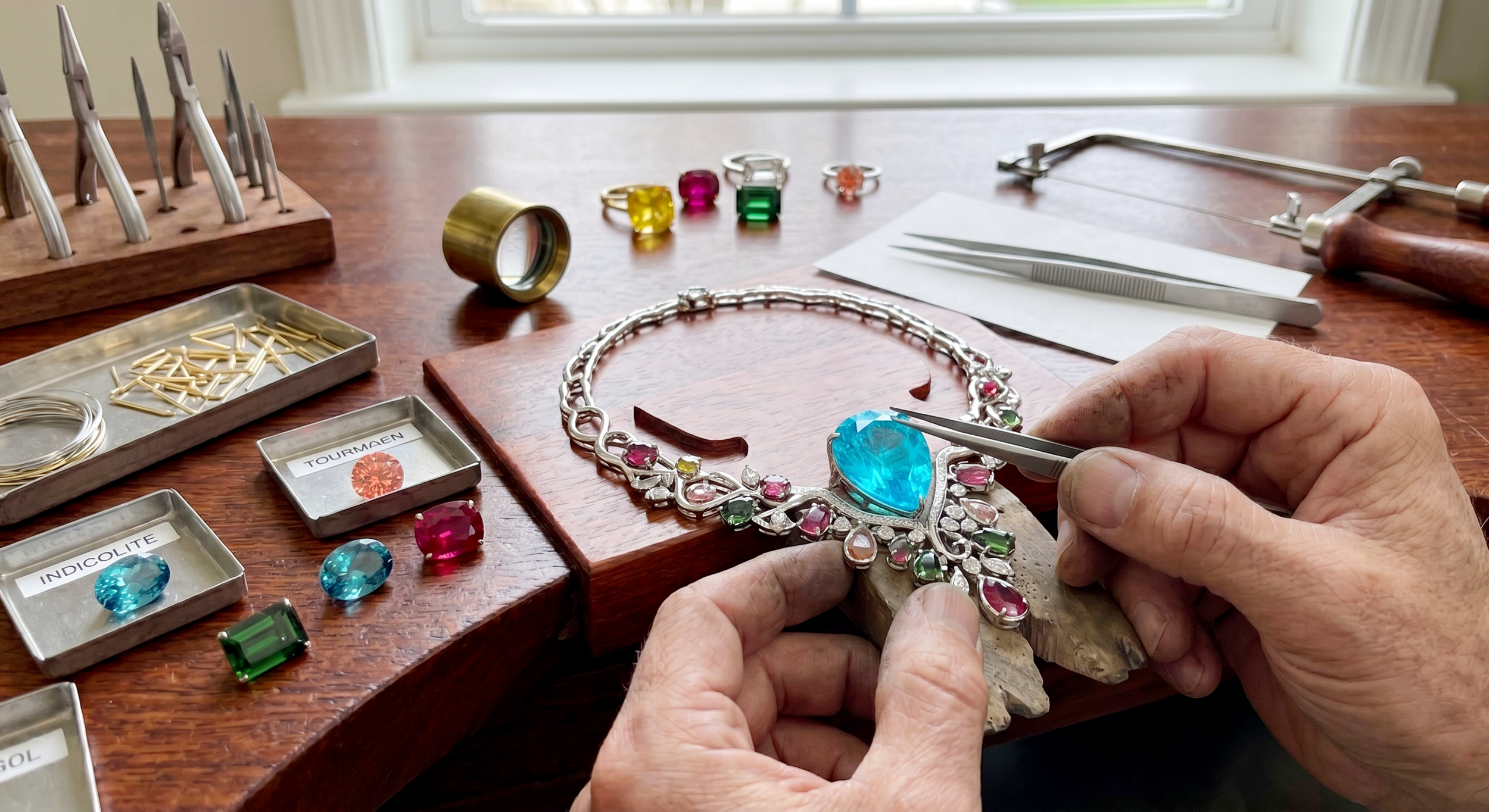
Shown: Tourmaline's extraordinary color range on a jeweler's bench — indicolite, rubellite, chrome green, and a Paraíba-colored center stone. No other gem family gives designers this breadth of palette from a single stone type.
Looking for Fine Tourmalines?
Jacoby Gems works with jewelers and designers to source tourmaline across all major varieties and origins — from Paraíba to rubellite to chrome. Whether you need a specific color, size, or origin documentation, we're happy to discuss what's available.
